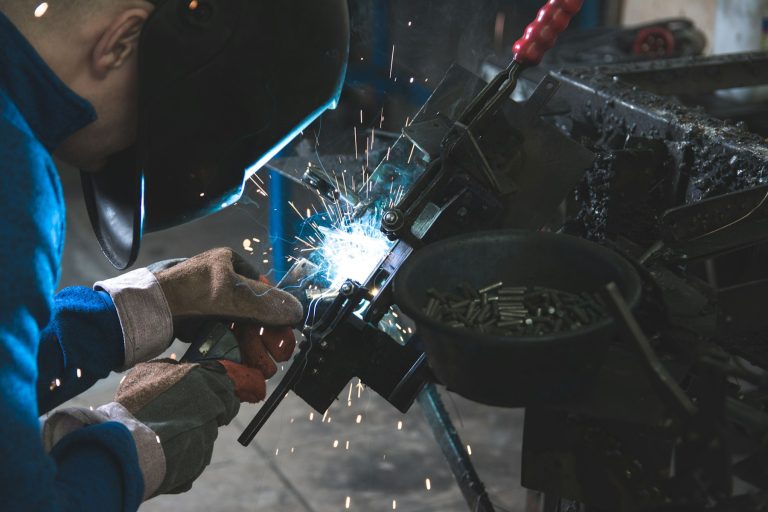
Look closely at a TIG weld on stainless steel and you’ll see bands of color on either side of the bead: pale straw, then gold, bronze, blue and sometimes purple or gray. That rainbow is called heat tint, and it isn’t paint or residue. It’s a thin oxide layer that formed while the metal was hot, and its color tells you how hot it got.
For decorative parts it’s mostly cosmetic. For anything exposed to water, food, chemicals or weather, it matters.
Why stainless resists rust in the first place
Stainless steel contains chromium. At the surface, that chromium forms an invisible, self-healing oxide film that protects the iron underneath. Welding heat disrupts the film and pulls chromium into a thicker, colored oxide. The darker the color, the more chromium was used up near the surface, and the less protection is left.
What each color means
| Color | What it suggests | Typical action |
|---|---|---|
| Pale straw / light gold | Low heat, little oxidation | Usually acceptable |
| Gold / bronze | Moderate heat | Clean for wet or food service |
| Blue | High heat, chromium depleted near the surface | Remove |
| Purple / dark blue | Very high heat | Remove; check heat input |
| Gray / black, flaky | Severe overheating or poor gas coverage | Remove; weld may need redoing |
Exact acceptance limits depend on the industry and the specification. Sanitary and pharmaceutical work often uses reference color charts and sets stricter limits than general fabrication.
How good welders prevent heat tint
- Low heat input. TIG with careful amperage control and steady travel speed keeps the metal from sitting hot for long.
- Good gas coverage. The right cup size, gas lens and flow rate protect the weld while it cools.
- Trailing shields and back purging. Extra argon on the hot area behind the torch and inside tube joints prevents oxidation where the main shield can’t reach.
- Clean material. Oil, markers and carbon steel dust all make tint and corrosion worse.
How heat tint is removed
- Mechanical: brushing or abrasive blending with stainless-only tools. Fast, but can roughen the surface.
- Chemical pickling: acid pastes or gels that dissolve the oxide and restore the surface; they need careful handling and rinsing.
- Electrochemical cleaning: a weld-cleaning machine and electrolyte that removes tint quickly with a bright finish.
After cleaning, the chromium oxide film reforms on its own in air. Some applications also require passivation, a chemical treatment that helps the protective film form evenly.
A note on carbon steel contamination
A stainless part brushed with a wire brush that has touched carbon steel will grow orange rust spots even with perfect welds. That’s why stainless needs its own brushes, grinding discs and clamps. It’s a small detail that separates careful shops from the rest.
Want to know how we handle stainless? See our stainless steel TIG welding page or read food-grade stainless welding basics.
Frequently asked questions
Is blue heat tint on stainless bad?
Light blue is borderline; dark blue, purple and gray show the surface was overheated and lost corrosion resistance. For equipment exposed to moisture or chemicals, it should be removed.
Does heat tint wash off?
No. It’s an oxide layer, not dirt. It needs mechanical, chemical or electrochemical cleaning to remove.
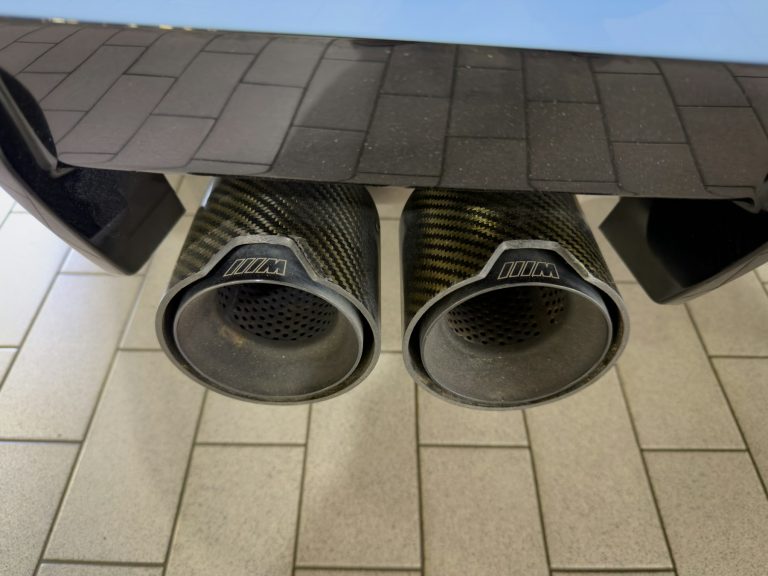
Why do exhaust tips have colorful heat tint on purpose?
On titanium and some stainless tips, the colors are a cosmetic effect. On a working weld in a corrosive environment, the same colors are a warning sign.