
Short answer
Why TIG for stainless steel?
TIG puts the least heat into the part and gives the cleanest, most controllable bead. On stainless, extra heat causes warping and heat tint, and heavy heat tint weakens the corrosion resistance that makes stainless worth buying. TIG lets us keep the heat low and the weld tight.
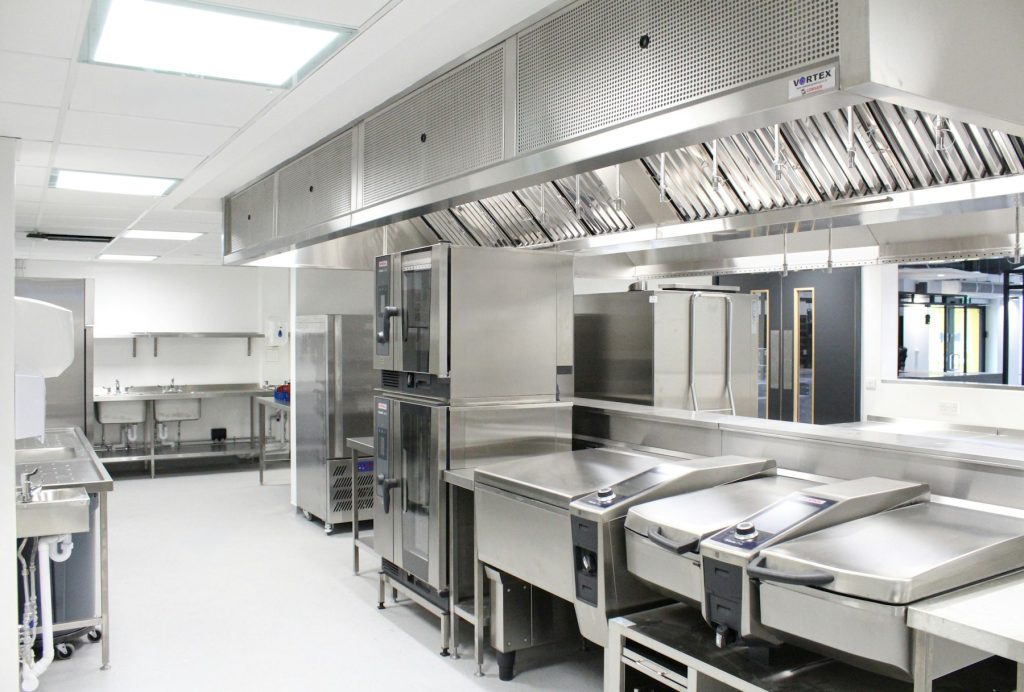
Restaurant and commercial kitchen equipment
Prep tables, sinks, hood panels, shelving and equipment stands crack at the same places: leg welds, corners and anywhere a cart hits every day. We repair them in place when the equipment can't move, or in the shop when it can.
After welding we blend the area and restore a brushed finish so it is easy to wipe down. If an inspector will look at it, tell us up front so we can talk about the finish you need.
Food, beverage and sanitary parts
Brewery fittings, tri-clamp ferrules, manifolds and tank ports need full-penetration welds with a smooth inside. That means purging the back side of the joint with argon so it does not oxidize (sugar), and keeping the bead flat and continuous. We talk through the drawing, the finish inside the tube and how the part will be cleaned before we quote.
We are honest about scope: if your plant requires a specific welding procedure or documentation package, send us the requirements first so we can tell you whether we're the right fit.
What you get with every job
Low heat input
Small, fast beads that keep warping and tint down.
Back purging
Argon on the inside of tube and pipe joints when the inside matters.
Clean finishing
Blending, brushing or polishing to match the surrounding surface.
No cross-contamination
Stainless-only brushes and abrasives so carbon steel never rusts into your part.
Railings, trim and architectural stainless
Stainless handrails, guardrail posts, trim and decorative pieces are visible work. The welds are small, blended and polished to match the rest of the rail. We fit carefully so there is less to grind, because every bit of grinding on stainless shows if it's not finished right.
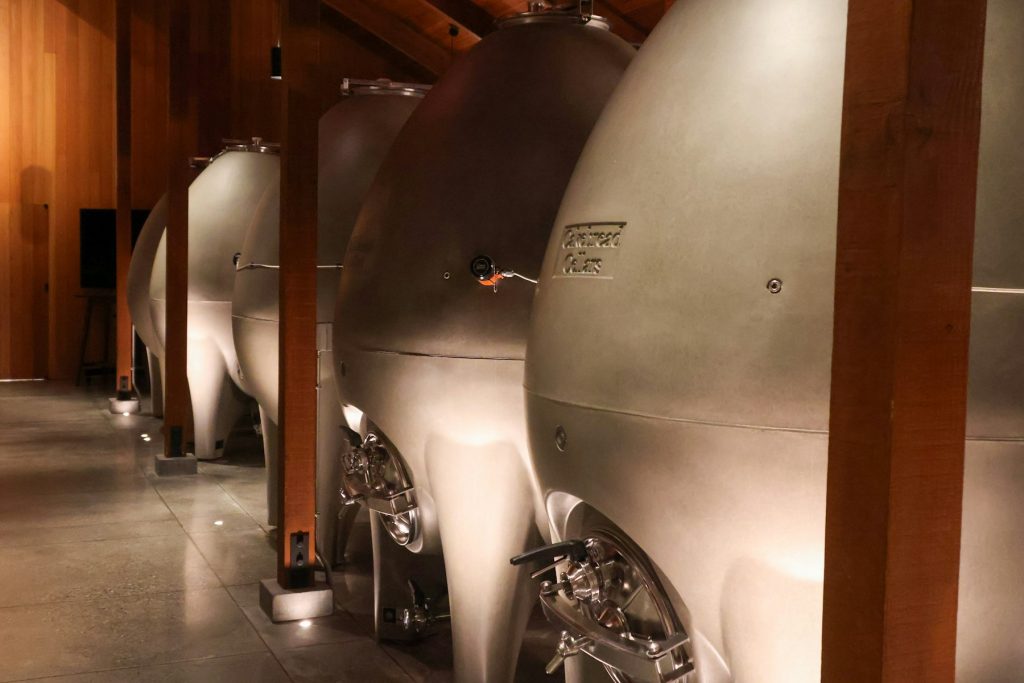
Tank ports and fittings need full-penetration welds with a purged, smooth inside surface.
Heat tint, passivation and finish
The straw, blue and purple colors next to a stainless weld are heat tint. Light straw is normal; dark blue and gray mean the surface lost chromium and will rust sooner. We keep heat input low, use a trailing shield or back purge when the job needs it, and clean the tint off with the right method for the part. Here is a plain guide to what the colors mean.
Stainless Steel TIG Welding: common questions
Can you weld stainless steel on site at my restaurant?
Yes, for most repairs. We bring mobile TIG equipment and work around your schedule. Some jobs are better done in the shop, and we'll tell you which after seeing photos.
Will the weld rust?
A correct stainless weld that has been cleaned of heavy heat tint should hold up like the rest of the part. Welds rust when they are overheated, left with dark tint, or contaminated by carbon steel tools.
What is the difference between 304 and 316 stainless?
316 contains molybdenum and resists chlorides and harsh cleaners better, which is why it shows up in food, marine and chemical service. 304 is the everyday grade for kitchens and railings. We match the filler to the grade.
Do you do sanitary or food-grade welding?
We do sanitary-style TIG welding with back purging and smooth finishes. If your facility needs a specific code, procedure or inspection paperwork, send those requirements with your request so we can confirm before quoting.