
Short answer
Can aluminum be TIG welded?
Yes. TIG with AC current is the standard way to weld thin and medium aluminum because it cleans the oxide layer while it welds and gives precise heat control. The weld is only as good as the prep: the metal has to be bare, degreased and free of old paint, oil and corrosion before the arc ever starts.
Why aluminum is harder than steel
Aluminum conducts heat away from the joint fast, then suddenly lets go. It does not change color before it melts, and it carries a tough oxide skin that melts at roughly three times the temperature of the metal under it. That is why rushed aluminum welds look sooty, porous or sunk in.
We control it with AC balance and frequency on the machine, the right filler for the alloy, and a lot of cleaning before and between passes. On thin sheet we tack tightly and work in short sections so the part does not walk out of shape.
Boats, trailers and the stuff around them
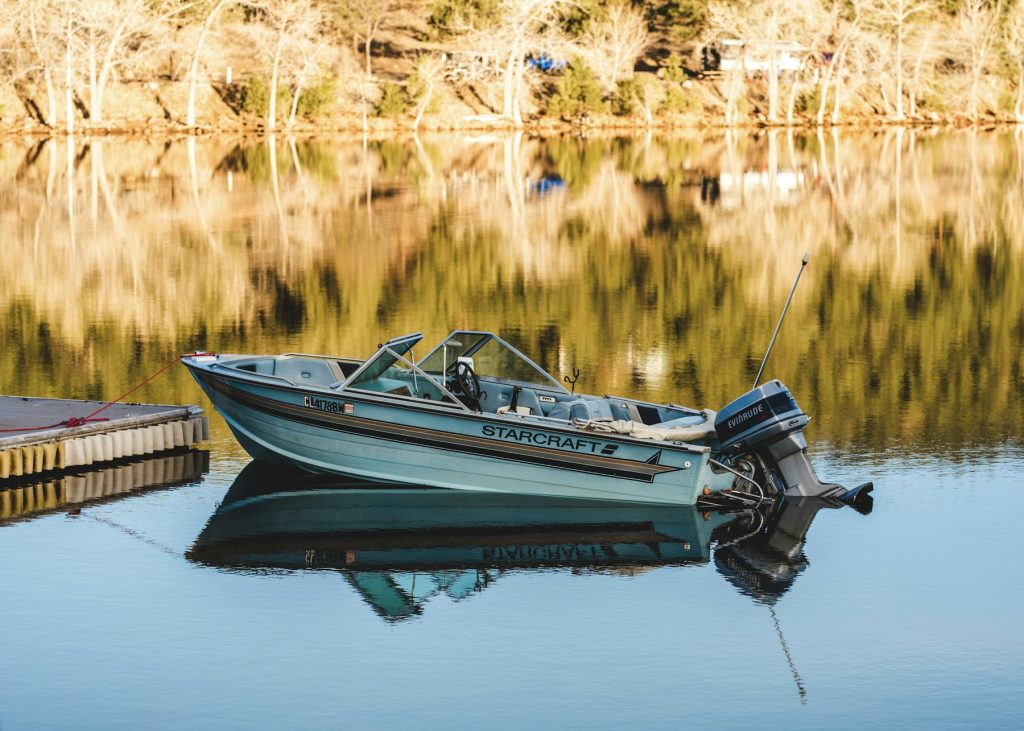
Most of our aluminum work is practical: a cracked transom bracket on a jon boat, a split rib, a seam that weeps, a broken trailer cross member or a loose tongue jack mount. Hulls that have been in water need extra prep because oils and oxidation soak into the surface. We grind to bright metal, clean with a dedicated stainless brush and acetone, and only then weld.
If a boat has a structural crack near the transom, we will tell you what we see before we start. Some repairs need a doubler plate, not just a bead over the crack.
What you get with every job
Bright-metal prep
Grinding, brushing and solvent cleaning before every pass.
Alloy-matched filler
4043 or 5356 picked for the base metal and the finish you want.
Distortion control
Tight tacks, sequencing and clamping on thin sheet.
Honest repair calls
If a part should be replaced instead of welded, we say so.
Tanks, racks and custom parts
Aluminum fuel and water tanks, truck bed racks, ladder racks, toolboxes, light bars and battery boxes all come through the shop. For tanks we pressure-check after welding when the job calls for it, and we talk through baffles and fittings before cutting anything.
For one-off brackets and mounts, a quick sketch with measurements is enough to get started. If you have a CAD file, even better.
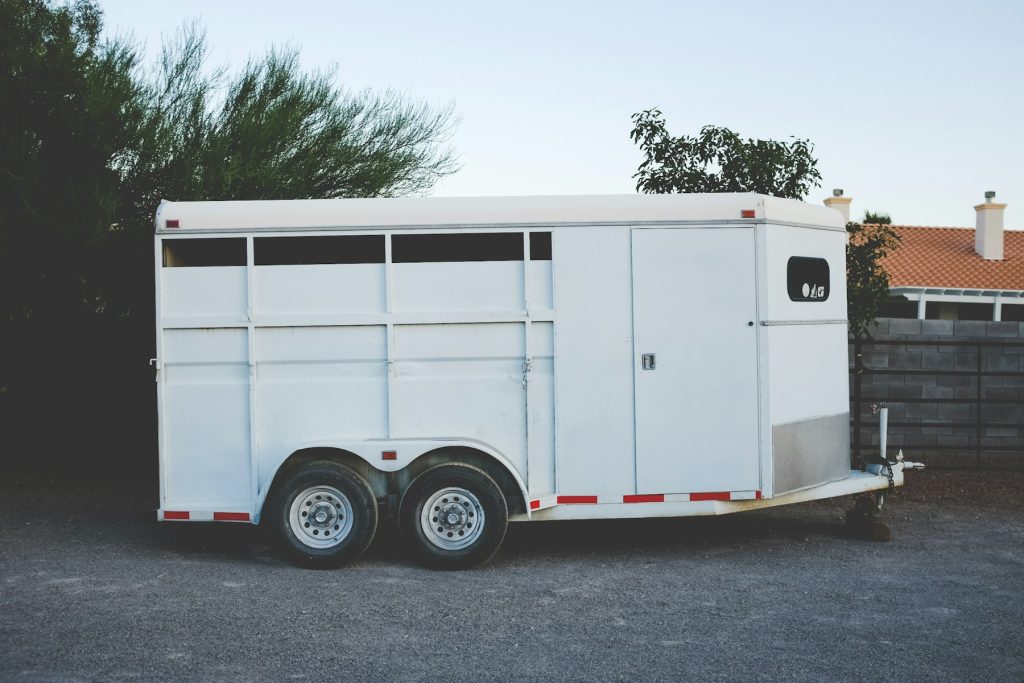
Aluminum trailer frames and fenders crack at welds and mounting points; most can be fixed without replacing the trailer.
Castings and old parts
Cast aluminum (housings, intake parts, lower units, pump bodies) can often be repaired, but it is never a promise until we see the part. Old castings hold oil and porosity, so they get preheated and cleaned, cracks are ground out completely, and we use filler suited to the casting. Some castings are too far gone; we will say so rather than charge you for a weld that cracks again.
Aluminum TIG Welding: common questions
Can you weld a cracked aluminum boat hull?
Usually, yes. Small cracks are ground out and welded; longer cracks or cracks near the transom often get a backing or doubler plate. The hull must be clean and dry. Send photos of both sides of the crack and we can tell you what it will likely take.
Is TIG better than MIG for aluminum?
For thin material, visible welds and repairs, TIG gives more control and a cleaner finish. MIG with a spool gun is faster on thick, long production welds. Most repair and custom work here is TIG.
Do you weld aluminum diamond plate?
Yes. Diamond plate toolboxes, steps and fenders are common. The pattern side needs extra cleaning, and we usually weld from the smooth side where we can.
Can you match the color of anodized aluminum?
No. Welding burns through anodizing, and the weld area will look different. If the color matters, the part needs to be re-anodized after welding.